How to Choose a Plastic Surgeon in Tijuana
Choosing a plastic surgeon in Tijuana requires careful research to ensure safety and quality results. Start by verifying credentials, reviewing before-and-after photos, and confirming the operating room is accredited. Always get a written quote and ask about follow-up care. This checklist will guide you through the key steps.
1. What credentials should I look for in a plastic surgeon in Tijuana?
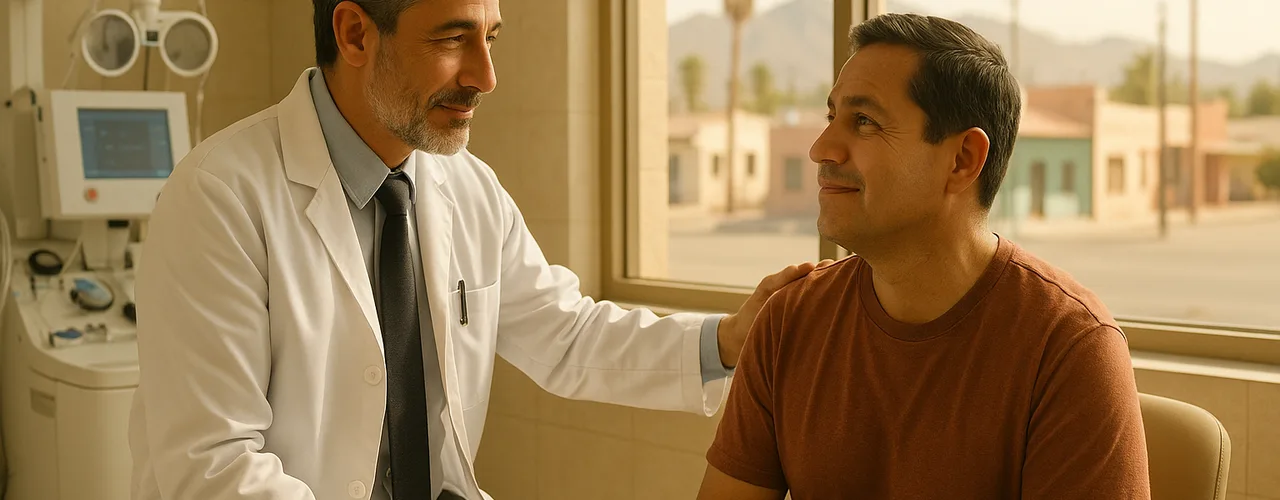
Look for a surgeon who is board-certified by the Mexican Council of Plastic, Aesthetic and Reconstructive Surgery (CMCPER) or equivalent. In Mexico, plastic surgeons must have a medical degree, a specialty in general surgery, and a subspecialty in plastic surgery. Verify their certification through the official council website or ask the clinic for documentation. Many top surgeons in Tijuana also have memberships in international societies like the International Society of Aesthetic Plastic Surgery (ISAPS). Additionally, check if the surgeon has hospital privileges at accredited local hospitals—this indicates they meet peer-reviewed standards. You can also request proof of continuing education in the latest techniques, as plastic surgery evolves rapidly. Don't hesitate to ask about their specific experience with your desired procedure, including how many they perform annually. A surgeon who specializes in a few procedures is often more skilled than one who does many different types.
2. How important are before-and-after photos?
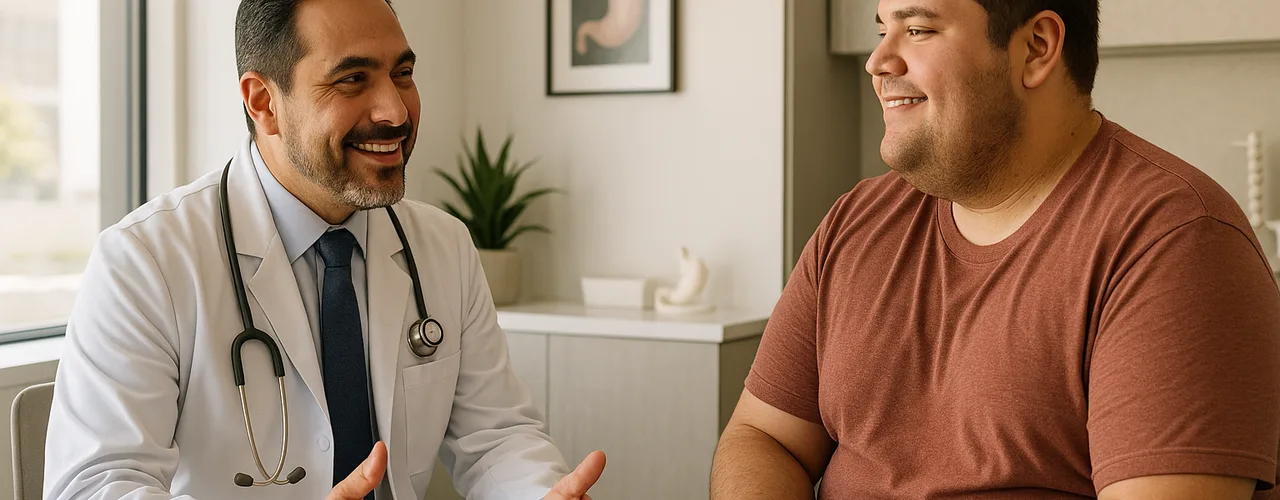
Before-and-after photos are crucial to assess a surgeon’s skill and aesthetic style. Ask to see photos of patients with similar body types and procedures. Be wary of heavily edited or inconsistent photos. Reputable clinics will provide a portfolio of real patients (with consent). Look for consistent lighting, angles, and results that align with your goals. Pay attention to scarring and healing over time—some clinics show only early results. Request photos taken at least six months post-op for a realistic view. Also, ask if the clinic uses standardized photography (e.g., same lighting, background) to ensure fair comparisons. If possible, request to speak with a former patient who had a similar procedure; many clinics can arrange this with consent.
3. Why does an accredited operating room matter?
An accredited operating room (OR) meets strict safety standards for equipment, sterilization, and emergency protocols. In Tijuana, look for accreditation from the Mexican Federal Commission for Protection against Sanitary Risks (COFEPRIS) or international bodies like Joint Commission International (JCI). An accredited OR reduces risks of infection and complications. Ask the clinic directly about their OR accreditation and certification. Beyond accreditation, inquire about the anesthesia provider—is it a board-certified anesthesiologist or a nurse anesthetist? Also, confirm that the OR has backup power, emergency medications, and a transfer agreement with a nearby hospital in case of complications. Some clinics operate in stand-alone surgical centers; ensure these are licensed and inspected regularly. Visiting the facility in person or via virtual tour can give you peace of mind.
4. How do I evaluate patient reviews?
Read reviews on independent platforms like Google, RealSelf, or our verified clinic directory. Look for patterns: consistent praise for communication, results, and aftercare. Be cautious of overly positive or generic reviews. Also check for negative feedback and how the clinic responded. A few negative reviews are normal, but a pattern of unresolved complaints is a red flag. Pay attention to reviews that mention specific aspects like wait times, staff professionalism, and pain management. Cross-reference reviews across multiple sites to get a balanced view. Consider joining online patient communities (e.g., Facebook groups) where members share real experiences. Remember that reviews are subjective, but a high volume of detailed, balanced feedback is a good sign.
5. What should a written quote include?
A written quote should itemize all costs: surgeon’s fee, anesthesia, facility fees, implants or materials, medications, post-op garments, and follow-up visits. Avoid quotes that are vague or significantly lower than others. Prices for popular procedures in Tijuana are typically 50-70% less than in the US, but ranges vary. For example, a tummy tuck may range from $3,500 to $5,500, and a breast augmentation from $3,000 to $4,500. These are estimated ranges; the final price is confirmed by the clinic after a medical evaluation. Ensure the quote includes what happens if revision is needed—some clinics include minor revisions within a year, while others charge extra. Also ask about payment methods, deposits, and cancellation policies. A transparent quote should have no hidden fees. Compare quotes from at least three clinics to understand the market rate.
6. What follow-up care should I expect?
Good follow-up care includes clear instructions for recovery, a local contact for emergencies, and scheduled check-ups (in-person or virtual). Some clinics offer a recovery package with a nurse or concierge. Ask about their policy on complications: do they cover revision surgery within a certain period? Reputable clinics will provide a detailed aftercare plan and be accessible post-op. Find out how long you should stay in Tijuana after surgery—most surgeons recommend 7-14 days for initial healing. Ask if they can coordinate with your local doctor back home for ongoing care. Also, inquire about 24/7 availability: is there a phone number you can call at any time? Some clinics provide a dedicated patient coordinator who checks in daily. Understanding aftercare is critical for a smooth recovery.
7. What is the typical timeline for planning surgery in Tijuana?
Planning surgery in Tijuana usually takes 4-8 weeks from initial consultation to procedure. Start by researching clinics and surgeons online, then schedule virtual consultations (most offer free initial calls). After choosing a surgeon, you'll have a pre-op evaluation (often virtual or in-person) to confirm candidacy and finalize the quote. Once you book, you'll receive preoperative instructions, including lab tests and medication adjustments. Plan to arrive in Tijuana 1-2 days before surgery for a final in-person consultation and to complete paperwork. Surgery day typically lasts 1-4 hours depending on the procedure. You'll stay in Tijuana for 7-14 days for follow-up visits and initial recovery. Some clinics offer recovery homes or hotel partnerships for convenience. After returning home, schedule follow-up with your local doctor and maintain communication with your Tijuana surgeon via video calls. Most surgeons recommend a final follow-up at 3-6 months post-op, which can be done virtually.
8. How to choose between multiple clinics?
When comparing clinics, create a checklist of your priorities: surgeon credentials, OR accreditation, before-and-after photos, patient reviews, quote transparency, and aftercare. Rank each clinic on these factors. Consider the surgeon's communication style—do they answer your questions thoroughly? Also, evaluate the clinic's responsiveness: how quickly do they reply to emails or calls? Visit the clinic's website and social media for a sense of their professionalism and patient education. If possible, schedule video calls with the surgeon and ask about their complication rates and how they handle revisions. Trust your instincts: if something feels off, move on. Finally, use our treatments and prices page to compare verified clinics side-by-side. Remember, the cheapest option is not always the best; prioritize safety and quality.
For more details on treatments and to compare verified clinics, visit our treatments and prices page. You can also request a free quote from multiple clinics to compare. Remember, always consult a licensed physician before making any medical decisions. This information is for educational purposes and does not constitute medical advice.
Frequently Asked Questions
What credentials should I look for in a Tijuana plastic surgeon?
Why are before and after photos important?
Should the operating room be accredited?
How can I check patient reviews for a Tijuana plastic surgeon?
What should be included in a written quote?
Is follow-up care provided after surgery in Tijuana?
Questions this page answers
- how to choose a plastic surgeon in Tijuana
- plastic surgeon Tijuana checklist
- best plastic surgeon in Tijuana for Americans
- is plastic surgery in Tijuana safe
- board certified plastic surgeon Tijuana
- Tijuana plastic surgery before and after photos
- accredited operating room Tijuana
- plastic surgeon reviews Tijuana
- written quote for plastic surgery Tijuana
- follow-up care after plastic surgery in Tijuana
- what to look for in a Tijuana plastic surgeon
- Tijuana plastic surgery credentials