Gastric Bypass vs Gastric Sleeve in Mexico: Which Is Right?
Choosing between gastric bypass and gastric sleeve in Mexico is a significant decision. Both procedures are effective for weight loss, but they differ in mechanism, recovery, and long-term outcomes. In Mexico, you can save 50-70% compared to US prices while accessing board-certified surgeons and JCI-accredited hospitals. This guide compares the two surgeries across key factors to help you decide which is right for you.
How Do Gastric Bypass and Gastric Sleeve Work?
Gastric bypass (Roux-en-Y) creates a small stomach pouch and reroutes the small intestine, limiting both food intake and calorie absorption. It also triggers hormonal changes that reduce appetite and improve blood sugar control. Gastric sleeve (sleeve gastrectomy) removes about 80% of the stomach, leaving a banana-shaped sleeve. This restricts food intake and reduces hunger hormones, but does not alter absorption. Both are performed laparoscopically in Mexico, with typical hospital stays of 1-2 days.
What Are the Costs in Mexico?
Prices vary by city and clinic, but generally gastric sleeve is cheaper. Confirmed price ranges from verified partner clinics:
- Gastric sleeve: $3,900 – $5,500 USD
- Gastric bypass: $4,500 – $7,500 USD
These costs usually include surgeon fees, hospital stay, anesthesia, pre-op labs, and follow-up. Some packages also include post-op garments or medications. For a detailed breakdown, visit our treatments & prices page and request a free quote from multiple clinics.
Which Has Better Weight Loss Results?
Both surgeries produce significant and sustained weight loss. On average, gastric bypass leads to 60-80% excess weight loss (EWL) at 2 years, while gastric sleeve achieves 50-70% EWL. Bypass may have a slight edge for super-obese patients (BMI >50) and those with type 2 diabetes, as it offers greater metabolic improvement. However, sleeve results are excellent for most patients, with lower risk of nutritional deficiencies.
What Are the Risks and Recovery Differences?
Gastric sleeve has a lower complication rate (about 5-10%) compared to bypass (10-15%). Common risks for sleeve include leaks, bleeding, and gastroesophageal reflux. Bypass carries additional risks like internal hernias, dumping syndrome, and vitamin deficiencies (especially B12, iron, calcium). Recovery time is similar: most patients return to work within 2-3 weeks, but bypass may require a slightly longer dietary progression. In Mexico, clinics provide detailed pre-op education and 24/7 support during your stay.
Which Surgery Is Best for Diabetics?
Gastric bypass is often preferred for patients with type 2 diabetes because of its powerful metabolic effects. Studies show diabetes remission rates of 80-90% after bypass vs 60-70% after sleeve. The hormonal changes from bypass improve insulin sensitivity rapidly, often before significant weight loss. However, sleeve also improves diabetes and may be sufficient for patients with mild or recent-onset diabetes. Discuss your HbA1c and medication history with your surgeon.
How Do I Choose a Clinic in Mexico?
Select a clinic that is JCI-accredited or certified by a recognized international body. Surgeons should be board-certified in bariatric surgery and have performed hundreds of procedures. Look for transparent pricing, inclusive packages, and positive patient reviews. Molar City Medical lists only verified partner clinics that meet strict quality standards. You can compare options and request free quotes with no obligation.
Which Destination in Mexico Is Best?
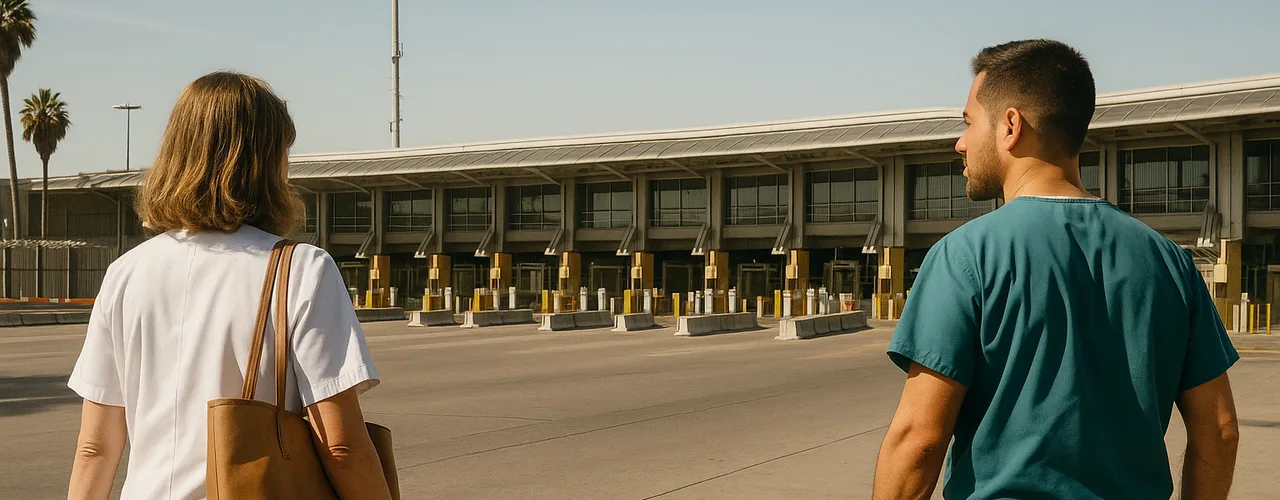
- Los Algodones: Drive from AZ/CA, walk across border, lowest hassle/cost. Combine with world-famous dental work.
- Cancún: JCI-accredited hospitals, frequent direct US flights, beach recovery.
- Playa del Carmen: Boutique Riviera Maya recovery, calm, near Cancún airport.
- Tijuana: Closest to San Diego, most surgeons/volume, competitive pricing.
Each destination offers unique advantages. Consider travel convenience, recovery environment, and clinic reputation.
Which Is Right for You?
Choose gastric sleeve if you want a simpler, lower-risk procedure with good weight loss, have a BMI under 50, and prefer to avoid long-term vitamin supplementation. Choose gastric bypass if you have severe obesity (BMI >50), type 2 diabetes, or a preference for greater weight loss and metabolic benefits despite higher complexity. For most patients, sleeve is the best first option, but discuss both with your surgeon. Request a free quote from verified clinics to compare personalized recommendations and costs.
Disclaimer: This article is for informational purposes only and does not constitute medical advice. Consult with a qualified bariatric surgeon to determine the best procedure for your health condition. Prices and outcomes may vary. Always verify clinic credentials and ask about all-inclusive packages.
Preguntas Frecuentes
What is the main difference between gastric bypass and gastric sleeve?
How much does weight loss surgery cost in Mexico?
Is it safe to have bariatric surgery in Mexico?
What is the recovery time for gastric sleeve vs bypass?
Which procedure is better for type 2 diabetes?
Preguntas que responde esta página
- how much does gastric bypass cost in Mexico
- gastric sleeve vs gastric bypass which is better
- is it safe to have weight loss surgery in Mexico
- best bariatric surgeon in Tijuana
- gastric sleeve recovery time in Mexico
- gastric bypass risks and complications
- weight loss surgery in Cancun Mexico reviews
- how long do I stay in Mexico for bariatric surgery
- do I qualify for gastric sleeve in Mexico
- gastric bypass vs sleeve for type 2 diabetes